Tax Preparation

Helping Canadian Small Businesses Save Time, Stay Compliant, and Grow With Confidence.
Filing your personal income tax return in Canada doesn’t have to be stressful. The deadline for most individuals is April 30, or June 15 if you’re self-employed, though any balance owing is due by April 30. Even if you had little or no income, it’s still important to file to stay eligible for benefits like the Canada Child Benefit and the GST/HST Credit. Many Canadians also come to us for help catching up on previous years — something we handle with care and full communication with the Canada Revenue Agency (CRA). When you file electronically through NETFILE and choose direct deposit, refunds typically arrive within 8–10 business days. Our team ensures your return is accurate, complete, and securely submitted online, helping you avoid errors, penalties, and delays.
Get a QuoteDeductions & Credits.
Knowing which deductions and credits apply to you can make a big difference in how much tax you pay. We’ll guide you through what to bring — such as T4 and T5 slips, RRSP contributions, medical receipts, tuition forms, and child care expenses — and identify every deduction you’re entitled to claim. Common tax credits include medical and tuition expenses, charitable donations, home office expenses, and climate action incentives. If you work from home, you may qualify for a simplified flat-rate claim or a detailed deduction based on actual costs. RRSP contributions can also help reduce your taxable income and increase your refund. Our role is to review your situation carefully to maximize your return and ensure no opportunity for tax savings is missed.
Get a Quote

Self-Employed & Business Income.
Self-employed individuals have unique tax needs — from tracking expenses to managing GST/HST registration. If you earn income through freelancing, consulting, or a small business, you can deduct costs like home office expenses, supplies, advertising, insurance, and business travel. We help you understand what’s eligible and how to organize your records for smooth, accurate reporting. Once your income exceeds $30,000 within 12 months, you’re required to register for GST/HST — a process we can fully manage for you. Many clients also choose to have us prepare both their business and personal returns together, ensuring consistency and full use of all deductions. Our expertise helps you stay compliant while keeping more of what you earn.
Get a QuoteProperty & Investment Income.
Owning property or investments can introduce new layers of tax considerations. If you sell your principal residence, you may not owe tax, but you must still report the sale to CRA. However, profits from rental or investment properties are subject to capital gains tax, and we help calculate and report these correctly. We also advise clients with investment or cryptocurrency gains on how to report and offset them efficiently. For landlords and Airbnb hosts, rental income must be declared, but related expenses — such as mortgage interest, repairs, utilities, and insurance — are deductible. With our guidance, you’ll understand exactly what you need to report and how to make the most of your eligible deductions.
Get a Quote
Residency & Foreign Income.
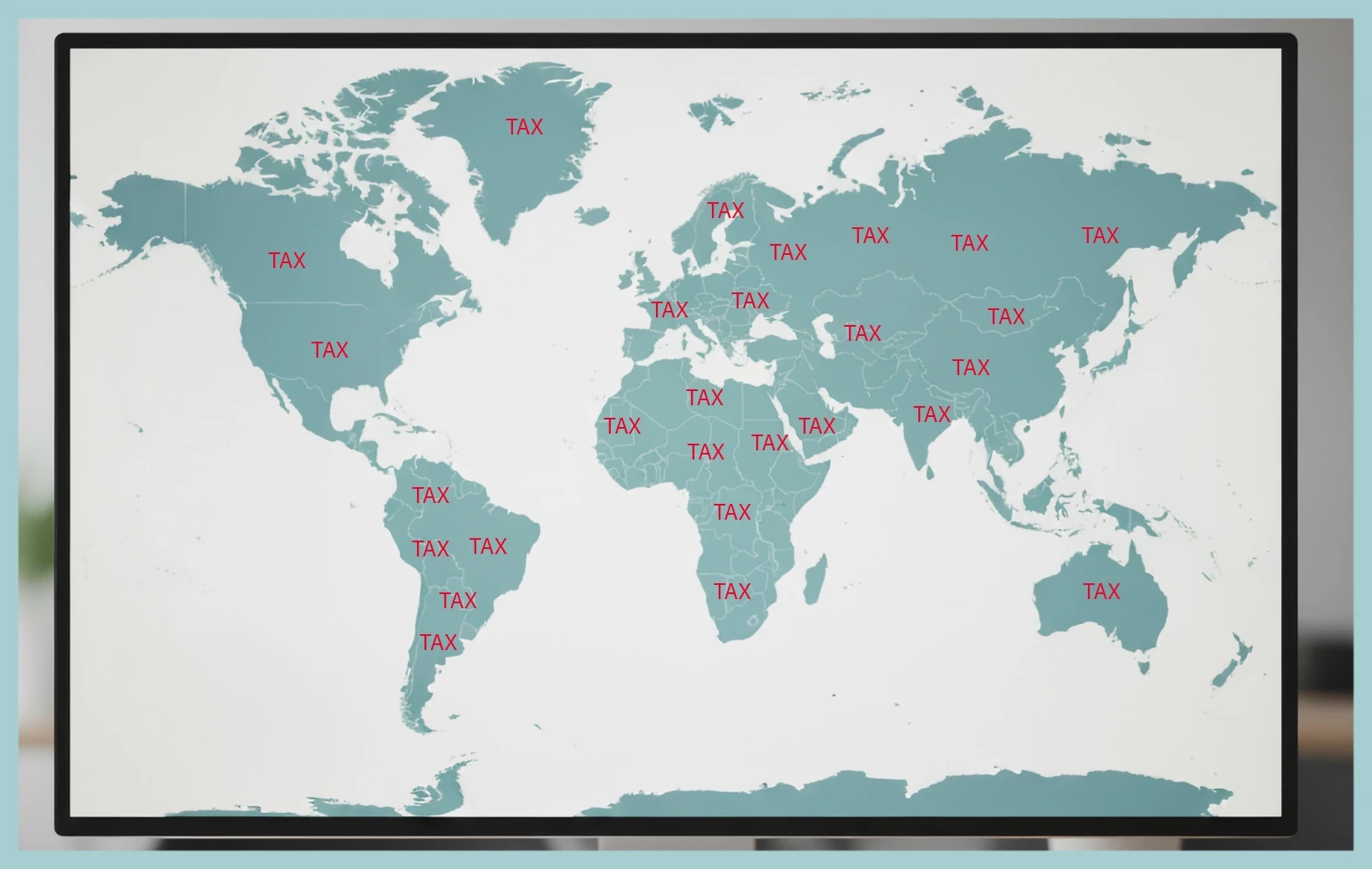
If you’ve moved to or from Canada, or earn income abroad, the rules can be complex. Canadian residents are taxed on worldwide income, but foreign tax credits can help you avoid double taxation. For those who arrive or leave mid-year, we prepare part-year returns and ensure all residency requirements are correctly handled. Whether you’re a newcomer, a temporary worker, or a returning Canadian, we make sure your filing reflects the right status and benefits. We also help clients with foreign investments or pensions understand their reporting obligations, including how to declare overseas accounts or property. Our goal is to ensure full CRA compliance while minimizing unnecessary tax exposure.
Get a QuoteFamily & Benefits in Canada.
Family circumstances play a big role in your overall tax situation. Filing accurately ensures you receive valuable credits such as the Canada Child Benefit (CCB), GST/HST credits, and spousal or dependent deductions. We help parents claim eligible child care, education, and medical expenses, as well as determine who should claim dependents in shared custody situations. Married or common-law couples may benefit from income-splitting opportunities or spousal credits, while separated individuals need to manage claims carefully to reflect their living arrangements. We also guide seniors in splitting pension income for tax efficiency. Our approach is personal and practical — ensuring your household receives every tax advantage available while staying compliant with CRA rules.
Get a Quote